

Solutions
- TOP
- Solutions
- Case Studies
- Exploring the Potential of OPC UA Historical Access and Information Models
-
- Water supply case
- User Configurable Driver Function
- Eliminating Data Loss with OPC UA Historical Access
- External Configuration Function
- Sparkplug B Client Support
- OPC UA Information Model Support
- OPC UA x MCP Adapter for AI Agent
- Exploring the Potential of OPC UA Historical Access and Information Models
Exploring the Potential of OPC UA Historical Access and Information Models
In the manufacturing industry, demands for improved product quality and enhanced traceability continue to grow, making production data more valuable and critical than ever before. While many facilities focus on monitoring real-time data, relatively few organizations have fully leveraged historical data for deeper analysis and continuous improvement initiatives.
In this article, we explore how OPC UA Historical Access and OPC UA Information Models can support the utilization of historical data, the value they bring to data-driven manufacturing, as well as the challenges associated with their implementation and practical approaches to addressing those challenges.
Is the Data You Need Really Available When a Quality Problem Occurs?
When a quality issue arises on a production line, operators typically need answers to questions such as:
- When did the problem occur?
- What was the operating condition of the equipment at that time?
- Were temperature, pressure, and other process variables within acceptable ranges?
In reality, however, many organizations face challenges such as:
- Only current values are available
- Historical data has not been preserved
- Even if historical data is stored in files, those files may be scattered across multiple locations and poorly organized
For example, when a quality issue is identified in a heat treatment process, operators may need to review the furnace temperature trend from five days earlier. If the necessary data has not been stored, identifying the root cause can become a time-consuming and difficult process.
Real-time monitoring alone is often insufficient for troubleshooting or continuous improvement activities. Modern manufacturing environments increasingly require not only visibility into the current state of equipment, but also the ability to analyze historical operating conditions.
The Concept of OPC UA Historical Access and Information Model
OPC UA is widely recognized as a standard for exchanging real-time industrial data. However, OPC UA provides much more than real-time connectivity. It also defines two powerful capabilities that enable advanced industrial data utilization: Historical Access and Information Models.
Historical Access (HA) provides a standardized method for accessing historical time-series data through the same OPC UA interface used for real-time communication. Instead of relying on SQL queries or proprietary database interfaces, organizations can retrieve historical information through a common and interoperable OPC UA framework.
For example, you can easily:
- Retrieve the current furnace temperature
- View yesterday's temperature trend
- Access time-series data for a specified time range
At the same time, OPC UA Information Models provide semantic context for industrial data. Rather than treating data as isolated tags, Information Models describe assets, their attributes, and the relationships between them.
such as:
- Objects and variables
- Asset hierarchies
- Relationships between assets
- Methods (executable functions)
- Events, alarms and status information
- Custom Information Models for specific domains
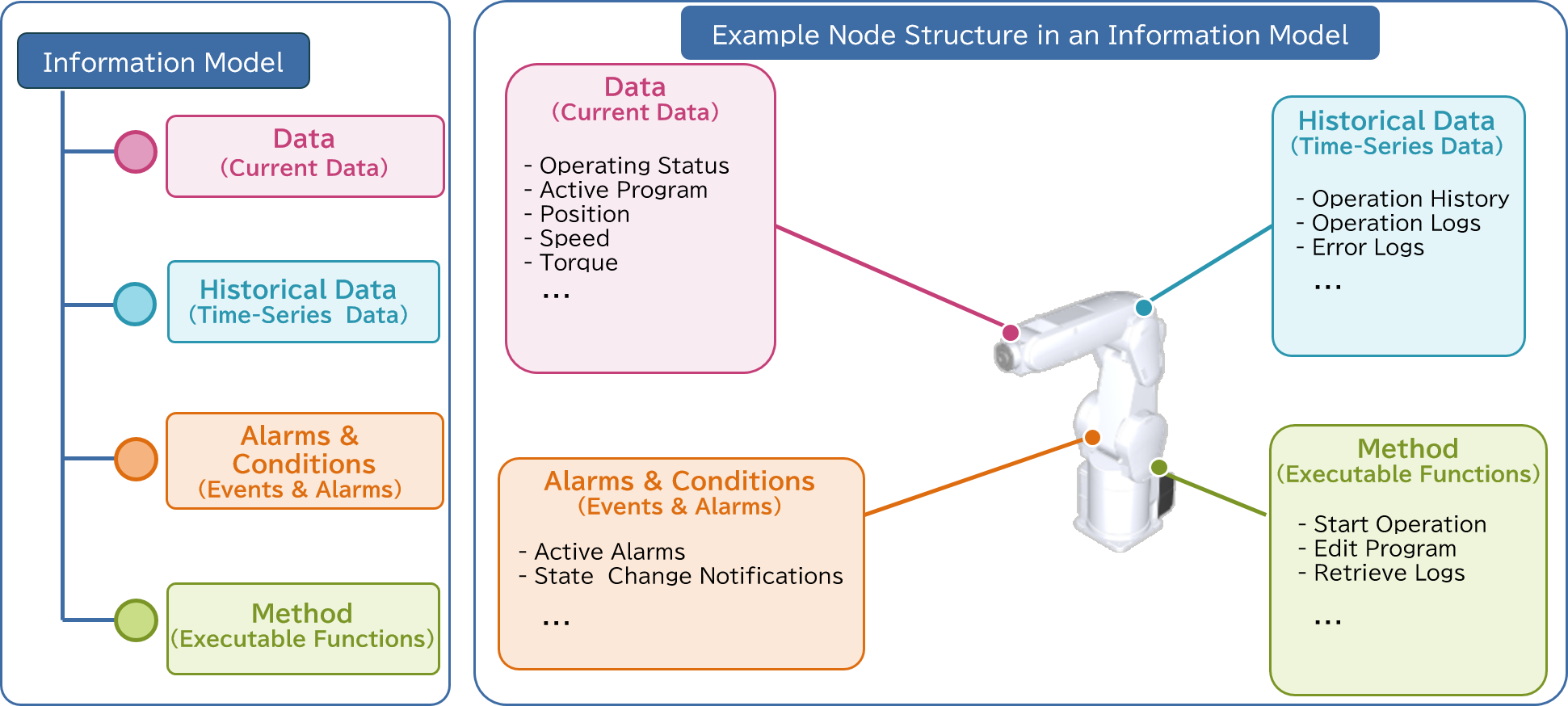
Figure 1: Components of an Information Model
Instead of simply storing individual process values, organizations can retain valuable contextual information such as:
- The equipment that generated the data
- The production line the data belongs to
- The sensor that generated the measurement
- The relationships between the equipment and other assets
Historical data without context only tells us what happened. Information Models provide the context needed to understand where the event occurred, which asset was involved, and how it relates to the surrounding production process.
In other words, Historical Access delivers the history, while Information Models provide the meaning and relationships behind that history.
By combining Historical Access and Information Models, historical data retains its operational context. Organizations can understand not only what happened, but also where, when, and on which asset it happened.
This combination enables a more comprehensive view of industrial operations, transforming raw historical data into meaningful operational knowledge. As a result, organizations can improve troubleshooting, quality investigations, and operational decision-making while maintaining a standardized and vendor-neutral architecture.
Ultimately, the combination of OPC UA Historical Access and Information Models helps organizations achieve three key benefits:
- Traceability – Connecting historical data to production assets, processes, and events for faster root-cause analysis and compliance reporting.
- Asset Intelligence – Understanding asset behavior and performance through historical trends enriched with operational context and relationships.
- Vendor Independence – Accessing and utilizing historical data through open OPC UA standards rather than proprietary interfaces or vendor-specific data models.
These benefits provide a strong foundation for data-driven manufacturing, enabling organizations to unlock greater value from their industrial data while future-proofing their digital transformation initiatives.
DeviceXPlorer OPC Server Enables Both Historical Access and Information Models
DeviceXPlorer OPC Server is an industrial middleware solution that connects to more than 400 PLC models from over 100 vendors and provides operational data through OPC UA interfaces.
With support for both OPC UA Historical Access and Information Models, DeviceXPlorer OPC Server not only gives standardized access to historical operational data but also preserves the asset context and relationships associated with that data.
- Quality troubleshooting
- Root-cause analysis
- Traceability
For example, when a quality issue occurs, operators can trace historical process data together with related equipment, sensors, alarms, and production assets through a common OPC UA framework. This significantly reduces investigation time and improves troubleshooting efficiency.
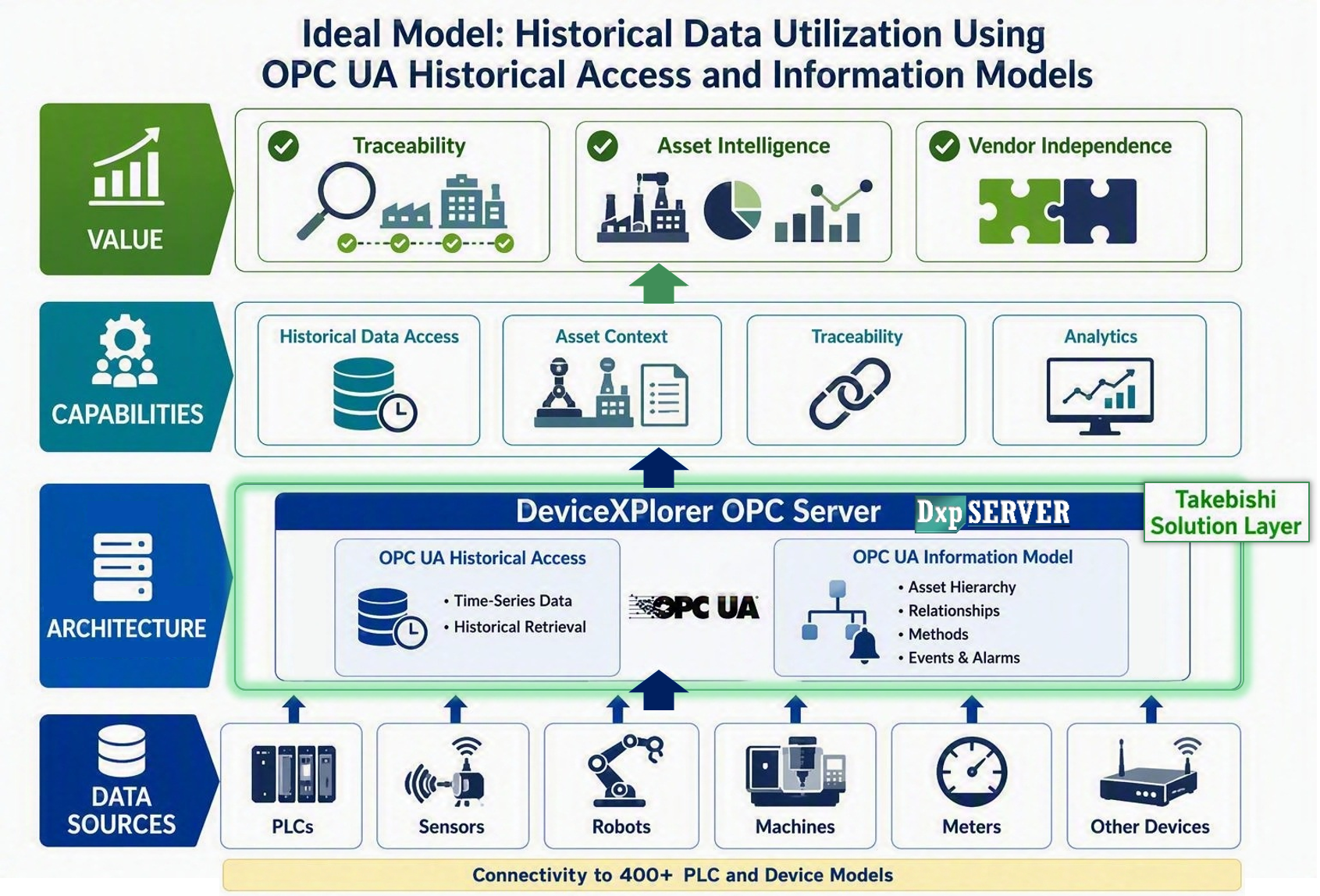
Figure 2: Ideal Model - Historical Data Utilization Using OPC UA Historical Access and Information Models
By bridging historical data and contextual asset information, DeviceXPlorer OPC Server helps transform industrial data into actionable insights for continuous improvement and smarter manufacturing operations.
How Can Manufacturers Collect, Store, and Utilize Historical Operational Data?
Many manufacturers still face challenges such as:
- No mechanism for storing historical data
- Data distributed across multiple systems
- Difficulty implementing OPC UA Historical Access and Information Models
So, how can operational data actually be collected and stored in manufacturing systems?
A Practical Approach for Environments That Cannot Fully Utilize OPC UA Features
Although the combination of OPC UA Historical Access and Information Models offers significant benefits, many manufacturers are still looking for practical ways to begin collecting and retaining historical operational data.
DeviceXPlorer OPC Server addresses this need with its Database Logging function, enabling manufacturers to build a historical data foundation quickly and easily.
With the Database Logging function, tag values can be stored directly in a database through simple configuration, without requiring any SQL programming.
DeviceXPlorer OPC Server automatically records the selected tag values together with timestamps, enabling historical data to be accumulated with minimal engineering effort.
For example, information such as:
- Furnace Temperature
- Workpiece ID
- Operating Mode
- Alarm Status
can be continuously recorded and retained.
In addition, the Database Logging function can reuse the existing tag structure already configured within DeviceXPlorer OPC Server. This eliminates the need to create a separate data collection configuration specifically for historical logging. As a result, manufacturers can easily build the foundation required for historical data retention and analysis while continuing to utilize their existing real-time monitoring environment.
This provides a practical starting point for applications such as quality troubleshooting, root-cause analysis, and traceability.
Database Logging can serve as a practical first step toward building a historical data foundation that can later evolve into OPC UA Historical Access-based solutions.
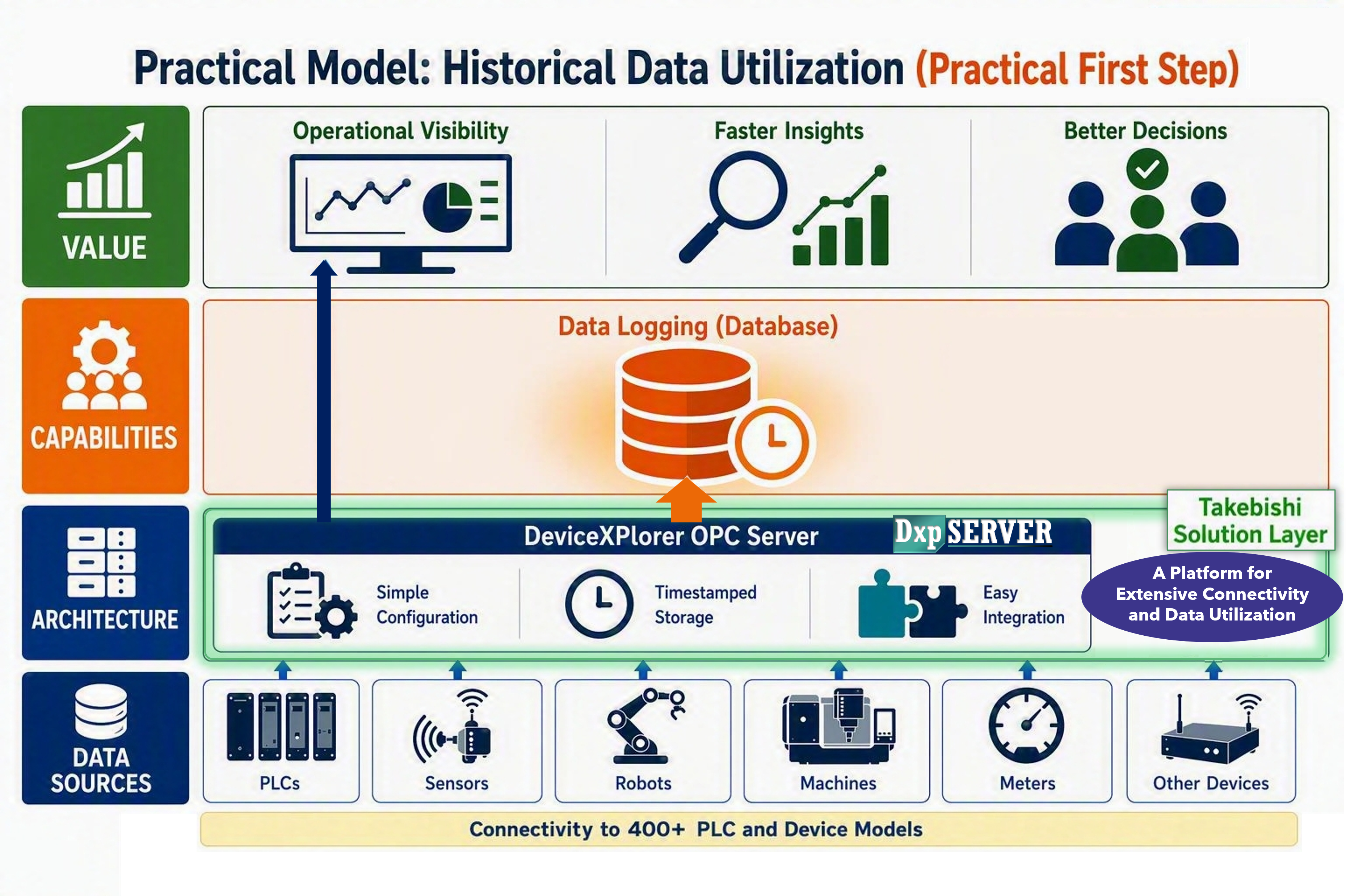
Figure 3 - Practical Model: Historical Data Utilization (Practical First Step)
The Value of OPC UA Extends Beyond Real-Time Data
OPC UA is often associated primarily with real-time communication between industrial systems. However, the true value of OPC UA extends beyond the exchange of current data.
OPC UA Historical Access and Information Models provide a standardized foundation for transforming historical data into valuable information assets by combining operational history with rich context.
At the same time, not all manufacturing environments are in a position to fully utilize these capabilities immediately. In such cases, continuously collecting and retaining historical data through database technologies can serve as a practical and incremental approach to historical data utilization.
As the importance of quality improvement and traceability continues to increase, mechanisms for storing and utilizing historical data in a meaningful and structured way will become even more critical.
By treating operational data not only as information about the present but also as a bridge between the past and the future, manufacturers can unlock new opportunities for digital transformation, operational excellence, and continuous improvement.